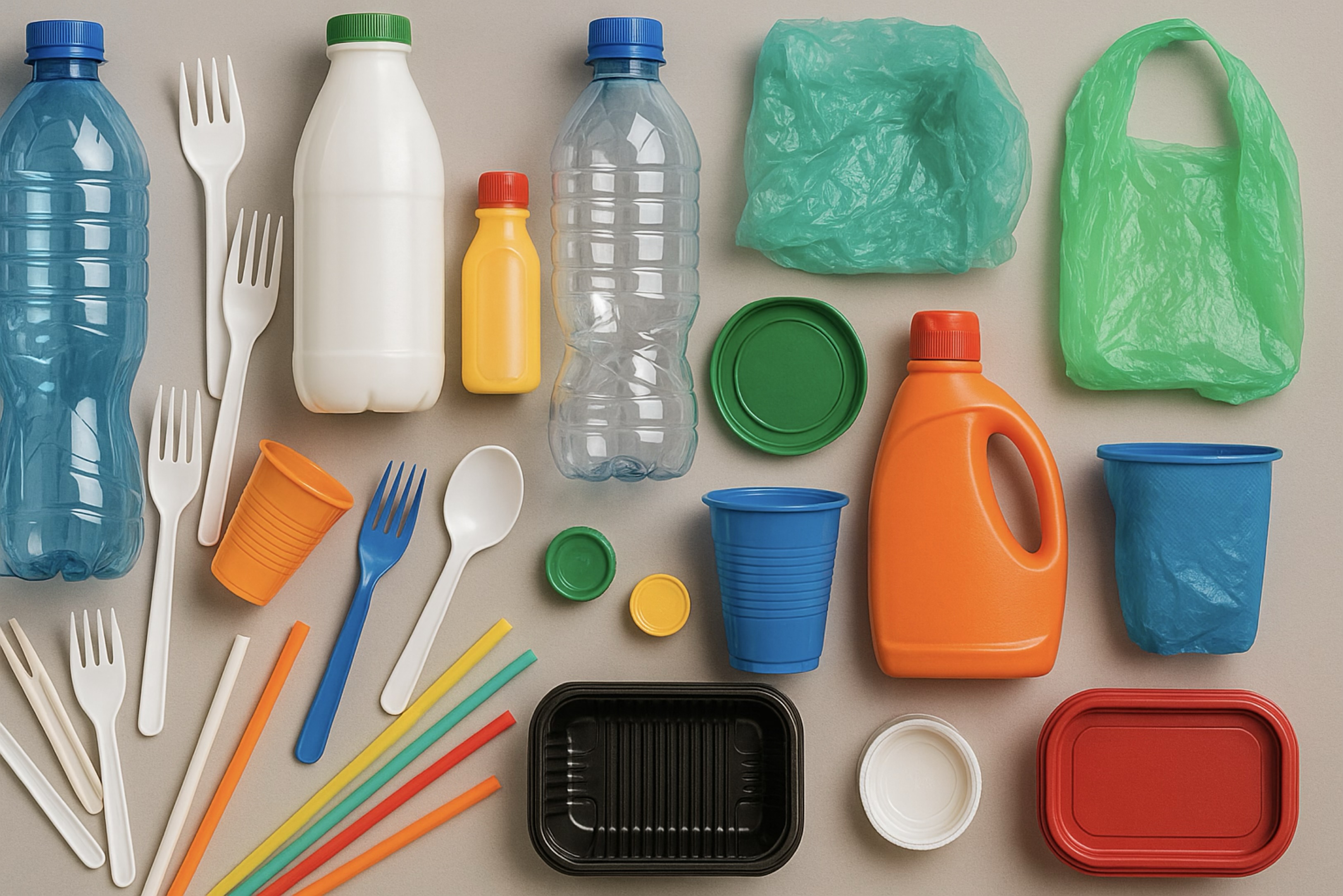
Plastic isn’t just an eyesore; it’s a major environmental burden. The manufacture of plastic accounts for roughly one-eighth of the world’s annual fossil fuel use and about 3.4% of all global greenhouse gas emissions.
Beyond its production, plastic creates a massive pollution problem. It’s notoriously difficult to recycle, leading to overflowing landfills. What’s worse, plastic breaks down into tiny fragments called microplastics, which are increasingly contaminating our water and food supplies. And, as if things weren’t bad enough, a staggering 50% of the plastic that is produced is used just once before being discarded.
As a result of these issues, the UCC’s General Synod issued a call to reduce the use of single-use plastics. Many countries have banned them outright!
On July 1, 2025, DUCC took action, eliminating these plastic items from our buildings and activities:
- Beverage bottles (water, juice, soda, etc.),
- Straws and stirrers,
- Cups and plates,
- Knives, forks, and spoons,
- K-cups (used in Keurig-type coffee makers), and
- Communion cups.

The church is also committed to eliminating plastic wrap and storage bags, opting instead for reusable materials like glass, metal, or ceramics, as well as recyclable uncoated paper and biodegradable products made of bamboo or palm leaf.
Want to Learn More?

- 30 Ways to Use Less Plastic – steps you can choose to take at home or when eating out
- Sample Products – more than 20 well-reviewed alternatives to plastic items (Amazon list)
- Where to Recycle in the Saugatuck-Douglas area
- Beyond Plastics – a bunch of ready-made projects that you can join or start up in your community
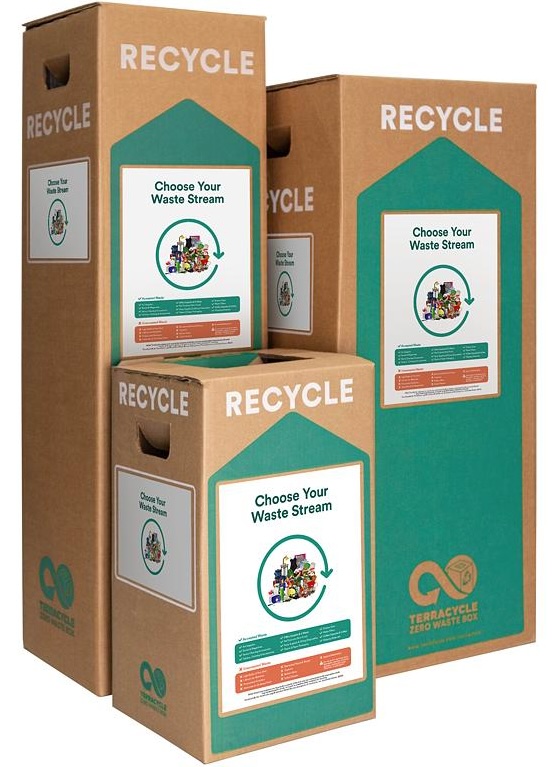
- Zero Waste Box – a unique solution from TerraCycle for recycling hard-to-recycle waste
- Planet or Plastic – learn about National Geographic’s efforts to raise awareness about plastic
- Demystifying Compostable and Biodegradable Plastics – read the report
Below is Rev. Jody Betten’s sermon on plastic from 13 July 2025 at DUCC.
Slides from a presentation on September 28, 2025
 Creation Justice @ Douglas UCC